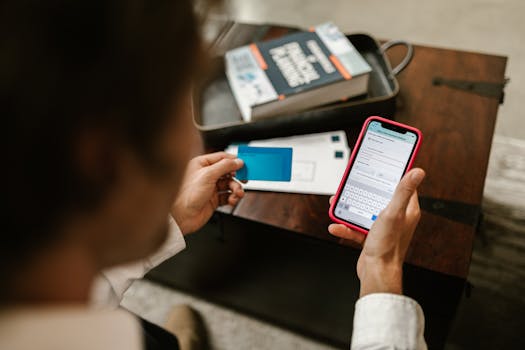
Picture this: you’re deciding between sticking to your budget or grabbing a last-minute dinner with friends. Chances are, logic vs emotion finance pops up in your mind, vying for control.
Money decisions tug between careful planning and spontaneous wants. We all feel that tension. Why does it keep showing up, and how does leaning one way or the other shape our outcomes?
Let’s dig into where reason and feeling clash in everyday financial choices, see real-world examples, and discover practical steps to keep both brain and heart working for your wallet.
Two Modes of Thinking: Balancing Reason and Feeling When Spending
Putting logic and emotion side by side when handling money offers practical insight. You don’t have to pick just one approach—integrating both can help day-to-day decisions.
Consider this scenario: You see a flash sale online. Logic asks, “Do I need this?” Emotion whispers, “What a deal, don’t miss out!” The outcome often depends on which voice gets more attention.
Gut Reactions: Fast Choices, Real Consequences
Imagine Sarah at a grocery store. She plans to buy groceries for $50. As she passes the bakery aisle, the smell steals her focus. Just one decadent cupcake, she thinks—it won’t hurt.
But then, stacking small extra purchases often adds up. In logic vs emotion finance, snap decisions can nudge a budget off course more than we’d expect. Pausing briefly helps interrupt this pattern.
Next time you feel that pull, mentally ask: “Will I regret this tomorrow?” If so, step aside for a moment. Small habits like this reset your default reactions, letting logic enter the conversation.
Reviewing Patterns: Recognizing Repeat Triggers
Scanning your transaction history reveals patterns emotion loves to exploit—routine takeout, unplanned streaming subscriptions, or gifting splurges. Take note: Where do feelings typically win?
List those situations. Is it stress? Celebration? Boredom? By becoming aware, you begin to spot decision points before your wallet feels it. Awareness is the first step in the logic vs emotion finance equation.
Takeaway: Each time a known trigger appears, try pausing for 10 seconds. If you still want to spend, consider setting a tiny spending limit beforehand.
| Scenario | Logical Approach | Emotional Approach | Takeaway |
|---|---|---|---|
| Online sales | Check if you planned to buy it | FOMO triggers impulse buy | Pause and review your needs first |
| Unexpected bills | Adjust other expenses | Panic or frustration spending | Break down costs into manageable steps |
| Sharing expenses with friends | Track and settle fairly | Avoid awkwardness, overpaying | Suggest a shared tracker |
| Investment decisions | Focus on data and trends | Chase hype or react to fear | Set clear investment rules in advance |
| Giving gifts | Stick to a set budget | Splurge from excitement | Pre-select limits for celebrations |
Spotting Triggers: When Feelings Dictate Dollar Decisions
High emotions—joy, stress, even boredom—often hijack rational thinking about money. Identifying these triggers lets you pause before acting, so emotions don’t rule your wallet.
Let’s look at a short checklist for catching those moments when emotional spending lurks in the background.
Warning Signs: Common Patterns
A few signs may reveal you’re operating on feelings: buying to soothe stress, quick purchases after arguments, or shopping when you’re tired or hungry.
Notice if these moments usually lead to regrets. Mark them on a calendar or notes app for a week, and patterns will quickly emerge.
- Track emotional shopping urges with simple descriptions (time, mood, purchase type) to build self-awareness and recognize cycles.
- Pause before buying whenever you spot a trigger; the waiting game puts logic back in play.
- Set mini-challenges, such as one week of no purchases after 8 p.m., to see where your habits flex.
- Use a “wishlist” app or note to delay non-essential buys—often you won’t return for most items.
- Reward yourself with small, non-spending treats when you successfully override an impulse buy.
Checking emotional spending triggers might feel odd at first, but new patterns emerge when spending is slowed down deliberately.
Strategy: Freezing the Impulse
Freezing cards or removing payment apps for a fixed period helps give your logical side breathing room when tensions run high.
Try a “24-hour freeze” rule. Let potential purchases sit. Later, re-evaluate them with a different mindset. You might realize the need wasn’t urgent after all.
- Unlink saved cards from shopping sites to enforce an extra step—slowing decision-making adds time for thought.
- Set spending alerts on your bank app that notify you immediately, nudging you to check what triggered the action.
- Share purchase goals with a friend or family member; saying it aloud can expose weak motivations.
- Create simple scripts like, “I want this now, but I’ll wait until tomorrow to decide.” Say them aloud for greater impact.
- Place a sticky note on your wallet with a reminder: “Pause and check—is this the goal?”
Interrupting the automatic nature of impulse decisions forms stronger habits where logic has a chance to catch up.
Forecasting Regret: Lessons from Quick Choices and Slow Reflection
Emotions don’t just affect the purchase; they often shape how you feel afterward. Predicting regret is a powerful strategy for anyone caught in the logic vs emotion finance tug-of-war.
Imagining the Aftermath
Picture this: At a store, you’re drawn toward a flashy new gadget. Step back and imagine sharing the purchase with a friend next week—are you excited or sheepish describing it?
If you feel you’d hide the receipt, this is your cue to reconsider. Often, using just a small forecast—how will I feel tomorrow?—brings immense clarity and prevents regretful spending.
Take this approach for any big-ticket item: ask yourself how it fits with your priorities down the road, not just in the present moment of excitement or desire.
Using Regret as a Guide
Sometimes it’s not the money itself, but the lost opportunity—what you gave up to buy the thing. Looking back, would you trade the item for what you could have done instead?
Keep a quick regret journal for a week: jot down purchases that felt great initially but lost their charm quickly. Use your notes to inform the next decision point: which splurges actually enriched your life? Which didn’t?
The Pause Rule: Small Delays, Big Gains
Giving yourself a buffer—a pause before hitting ‘buy’—has outsized effects. Timing is a simple but powerful way to invite logic back to the money table.
Start with a practical rule: for purchases over $40, wait at least 24 hours. This gentle friction counters high emotion, especially for non-essential buys.
Micro-Pauses for Daily Wins
Even a 10-second pause at checkout recalibrates thinking. Consider setting reminders on your phone or using built-in browser tools that ask “Are you sure?” before completing online purchases.
Try this: keep your wallet in another room when online shopping. The physical distance gives emotions a cooling-off period so rational thought can keep pace.
Checklists that Refocus
Develop a quick pre-purchase checklist on your phone: “Do I need it? Can I wait? Will this bring lasting value?” Check at least two before buying.
Over time, you’ll rely less on willpower and more on habit. The pause becomes automatic, blending both logic and emotion into better financial routines.
Comparing Outcomes: Logic and Emotion in Key Money Moves
Logic vs emotion finance isn’t just about shopping. It plays out in saving, investing, and lifestyle upgrades. Let’s compare side-by-side choices and see their effects play out.
A friend once debated growing their investment portfolio or going on a luxury cruise. The cruise felt irresistible; the investments, safe but less exciting. Trying both on a small scale—a modest trip and a small new investment—gave insight into future choices.
Short-Term Pleasure vs. Long-Term Peace of Mind
Logic may suggest putting a tax refund into an emergency fund. Emotion urges spending on fun upgrades—a nicer phone, the latest streaming service, dinner at a new restaurant.
Notice: When the next car repair hits, those who saved often feel relief instead of stress. Saving doesn’t always deliver instant excitement, but it amplifies peace of mind over time.
Scenario-Driven Decisions: Scripts for Real Life
A couple debates upgrading their TV. Logic asks: does the current one still work well? Emotion: but the new screen would look fantastic for movie nights. They agree to revisit in one month. After 30 days, the desire often fades, or the priority changes.
Mini-experiments like these build muscle for handling future impulses, combining realism from logic and satisfaction from occasional treats.
Money Scripts: The Words We Use Shape the Choices We Make
The inner dialogue around spending or saving can reveal which side is winning: logic or emotion. Adjusting scripts creates space for better decisions.
If your internal voice says, “I deserve this,” try pausing and asking, “What will I sacrifice for this?” Shifting language from reward framing to evaluative thinking brings logic into focus.
Turning Emotion Into a Checklist
Instead of banishing feelings, turn them into a checklist: “Does this purchase solve a problem for me? Or am I chasing a mood?” Cross-check answers before committing.
Create two ‘scripts’ for yourself. Emotion script: “I feel excited thinking about this.” Logic script: “Will I still value it a month from now?” Using both prevents snap judgments.
Observational Experiments
Try a quick experiment: next time you strongly want an item, record what you say to yourself. Review it a day later. Are emotional or logical arguments louder?
After a week, patterns reveal themselves, making it clear where to introduce more logic or accept the occasional emotionally-driven treat without guilt.
Conclusion: Building Habits Where Both Head and Heart Count
Logic vs emotion finance shapes every trip to the store, every budget tweak, and every investment jump. Noticing the tug-of-war lets you redirect choices in small, repeatable ways.
Practical routines—pausing at checkout, tracking emotional triggers, rehearsing thoughtful scripts—build new habits. Each nudge lets both logic and emotion serve you, not sabotage you.
Try a pause or checklist on your next purchase, and see whether your decision changes. Sometimes, just a moment of thought rewrites your money story—one habit at a time.